I’ll be honest, when my mate first suggested booking a fly fishing experience day for his birthday, I was sceptical. We’d both been chucking flies at trout for years, so paying someone to teach us seemed a bit daft. But after trying three different experience days over the past eighteen months, ranging from complete beginner sessions to more advanced stillwater tactics, I’ve changed my tune completely.
The thing about these experience days is they’re not all created equal. Some are brilliant value, others feel like you’ve paid fifty quid to be shown where the car park is. The best ones I’ve tried have been on small private waters where you’re getting proper one-to-one attention from someone who actually knows their stuff, not just reading from a script.
My first experience was at a chalk stream in Hampshire. Even though I’d been fishing for years, watching a proper river keeper demonstrate how to approach wary brown trout in gin-clear water was eye-opening. All those YouTube videos I’d watched suddenly made sense when I could see exactly how the current was behaving and where the fish were actually holding. The bloke running it spent twenty minutes just showing me how to read the water properly, something I thought I already knew how to do. Turns out I didn’t.
The second day was a stillwater session focused on buzzers and nymphs. This one was less impressive if I’m being blunt. Six of us standing around a stock pond while someone gave what felt like a PowerPoint presentation about fishing techniques. We caught fish, sure, but they were stocked rainbows that would have taken a piece of cheese on a bent pin. The instructor was nice enough but clearly going through the motions.
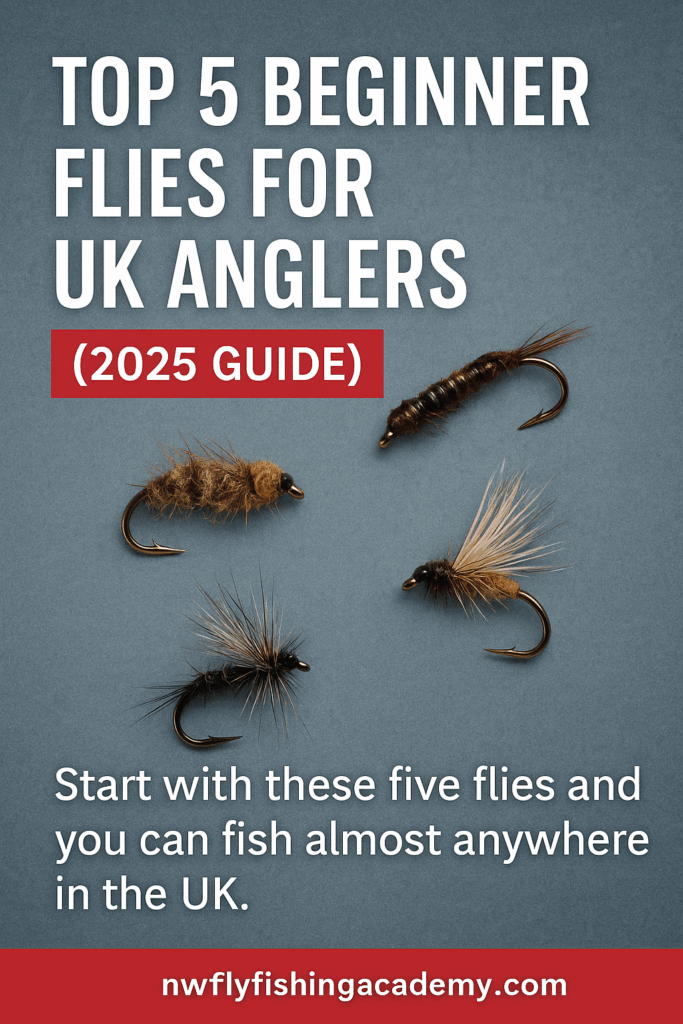
The third, and by far the best, was a small stream session in the Peak District. Just me and the guide, working our way up a beautiful little stream targeting wild browns. This is where experience days really shine. Having someone there to point out exactly why that cast went wrong, or explaining why the fish ignored your fly but smashed the one he put on straight after, that’s worth the money. He also sorted me out with some local pattern recommendations, including showing me how to tie a simple but deadly emerger pattern that’s now become my go-to on tough days.
The key to getting value from these days is being honest about what you want. Complete beginner? Almost any reputable outfit will do a decent job of getting you started. But if you’ve got some experience and want to improve specific skills, you need to do your homework. Read the reviews properly, not just the star ratings. Look for mentions of small group sizes or one-to-one options. Phone them up and ask direct questions about what you’ll actually be doing.
Price-wise, expect to pay anywhere from seventy to two hundred quid depending on location and exclusivity. The cheaper group sessions can be fine for dipping your toe in, but the private or semi-private days are where the real learning happens. Some include kit, which is handy if you’re just starting out.
The thing nobody tells you about experience days is that they’re also brilliant for getting access to waters you’d never normally fish. Some of the best stretches of river and prettiest lakes in the country are private, and an experience day might be your only chance to wet a line there. I’ve fished beats that cost thousands to lease, all for the price of a decent meal out.
Are they worth it? Depends entirely on what you book and what you want to get from it. But a well-chosen experience day with a knowledgeable guide on good water? That’ll teach you more in four hours than a month of fishing alone.
Here’s a practical tip for your next session: next time you’re struggling to spot rises on stillwater, don’t just watch for splashy takes. Look for subtle dimples and swirls, especially in the surface film where the water meets the bank. Most fish feed just under the surface without breaking it properly, and spotting these quiet risers will put you onto fish everyone else is missing.