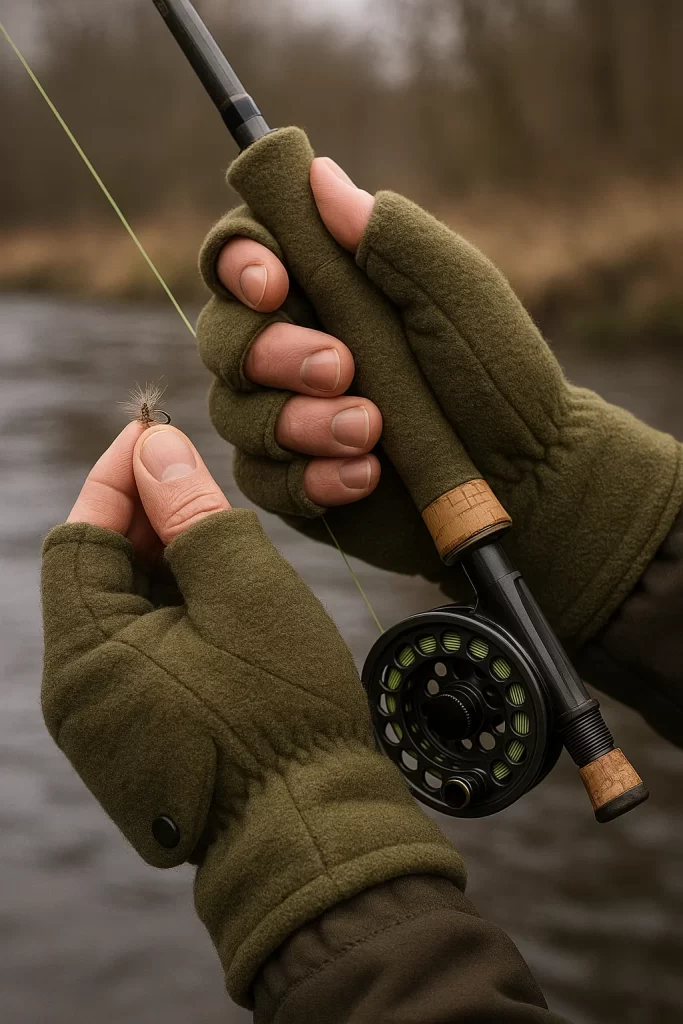
Right, let’s talk fly reels. I’ve watched blokes spend more on a reel than their entire rod setup, and I’ve seen others fish perfectly happily with something that cost less than a round at the pub. The truth sits somewhere in the middle, though closer to the cheap end than the tackle shops would have you believe.
Here’s the thing about fly reels in the UK. Unless you’re chasing salmon or sea trout, your reel is basically a line holder. I know that sounds harsh, but think about it. How often are you actually playing a trout off the reel on your local chalkstream or reservoir? Most trout under three pounds come in on the line hand. The reel just sits there looking pretty while you strip in and net your fish.
That said, a terrible reel will make your life miserable. I learned this the hard way on the Test one blustery April morning when my bargain basement Chinese reel decided its drag system was more of a suggestion than a feature. Lost a genuinely lovely brown trout because the spool just kept spinning freely. My own fault for being tight.
So what actually matters in a UK fly reel? First up, it needs a smooth drag. Not crazy powerful, just consistent. You want something that doesn’t judder or stick when a fish takes line. The difference between a fifty quid reel and a two hundred quid reel often comes down to how well the drag performs under pressure. For most river fishing, you’ll rarely use it, but when you hook something decent, you’ll be glad it works properly.
Weight is more important than people think. Not line weight, but actual physical weight. A heavy reel on a light rod throws everything off balance. Your arm gets tired after a few hours, your casting gets sloppy, and you start missing rises because you can’t be bothered to keep your concentration up. Balance the outfit properly and you’ll fish better all day. Simple as that.
The arbor size matters too, though not for the reasons tackle magazines bang on about. A large arbor retrieves line faster, sure, but more importantly it reduces line memory. You know that annoying coil your fly line develops after sitting on the reel? Large arbor helps with that. Means less time stretching your line out before you start fishing. Every minute spent faffing about on the bank is a minute you’re not fishing.
Build quality is worth considering if you fish regularly. Sealed drags keep the grit and silt out. Trust me, British rivers are full of both. A reel that can handle getting dunked or sprayed without immediate servicing will last years. I’ve had the same mid range reel for eight seasons now. Still works perfectly because it’s properly sealed and I give it a rinse after mucky days.
Now, about specific reels. The Redington Behemoth is worth a look for most UK situations, solid drag system and won’t break the bank.
For chalk streams and smaller rivers, anything in the 4-6 weight range will cover you. The reel doesn’t need to hold much backing. Fifty yards is plenty. I’ve never had a wild brown trout take more than twenty yards off me, and I’ve fished some decent fish. Reservoirs are different, obviously. Rainbows can motor when they want to, but even then, a hundred yards of backing is loads.
Sea trout and salmon change the equation completely. You need proper drag, proper capacity, and proper corrosion resistance. Salt water will wreck a cheap reel faster than you’d believe. But that’s a different article entirely.
The Made in England thing is nice if you care about that sort of thing. A few companies still make reels here and they’re generally excellent. They’re also expensive. Whether that matters to you depends on your budget and your principles. I fish both British made and imported reels and honestly, for river trout fishing, I can’t tell enough difference to justify the price gap.
Here’s what I actually recommend. Decide what you’re fishing for most often. If it’s river trout and grayling, buy a decent mid priced reel with a smooth drag and large arbor. Spend your money on a good rod and line instead. The reel is the least important part of your outfit for most UK fishing.
If you’re after bigger stuff, salmon or serious reservoir rainbows, then yeah, invest more. Get something with a proven drag system and solid construction. You’ll actually use those features.
Avoid the ultra cheap stuff. Twenty quid reels are fine for learning, but the drags are rubbish and they fall apart. Also avoid the really expensive boutique reels unless you’re loaded or obsessive about gear. They fish beautifully, but so does something half the price.
One last thing about spools. Spare spools are brilliant. Different line types for different conditions without changing reels. Problem is, spare spools often cost almost as much as a whole new reel. Makes no sense, but there we are. Factor that in if you want multiple lines ready to go.
I’ve fished with reels costing thirty quid and reels costing three hundred quid. The expensive ones are nicer, no question. Smoother, prettier, better engineered. But the fish don’t care. Neither does your casting. Get something reliable in your price range and spend the rest on time by the water.
Related Reading:
Practical tip for your next session: before you start fishing, pull out all your fly line and check for cracks or damage where it connects to the backing. That join always seems to fail at the worst possible moment, usually when you’ve hooked something special. Takes two minutes to check, saves a lot of heartbreak.