There’s something properly special about fishing the Yorkshire Dales. Maybe it’s the way the rivers tumble down limestone valleys, or how you can walk for miles without seeing another angler. Whatever it is, this corner of northern England remains one of our most underrated fly fishing destinations.
The Dales rivers have character. The Wharfe, Ure, Swale, and Ribble all offer genuine wild brown trout fishing, and you’ll occasionally hook into a grayling that’ll make your reel sing. These aren’t the manicured chalk streams of the south where everything’s measured and managed. Up here, fish are scrappy, the wading can be interesting, and you’ll earn every take.
The Wharfe probably sees the most pressure, particularly around Bolton Abbey where the fishing attracts tourists as much as anglers. But walk upstream from Grassington and you’ll find quieter water. The trout average around eight to ten inches, though there are better fish tucked under the banks if you can present a fly without spooking them. Early season sees good hatches of large dark olives, while March browns appear as the water warms. By summer, you’ll want a selection of sedges and terrestrials.
The Ure offers something different. It’s bigger water with deeper runs and pools that hold some genuinely decent fish. The stretch around Aysgarth Falls looks like something from a painting, though the fishing below the falls requires careful wading. Access can be tricky as much of it runs through private estates, but day tickets are available if you ask around in the local villages. Don’t be shy about knocking on farmhouse doors.
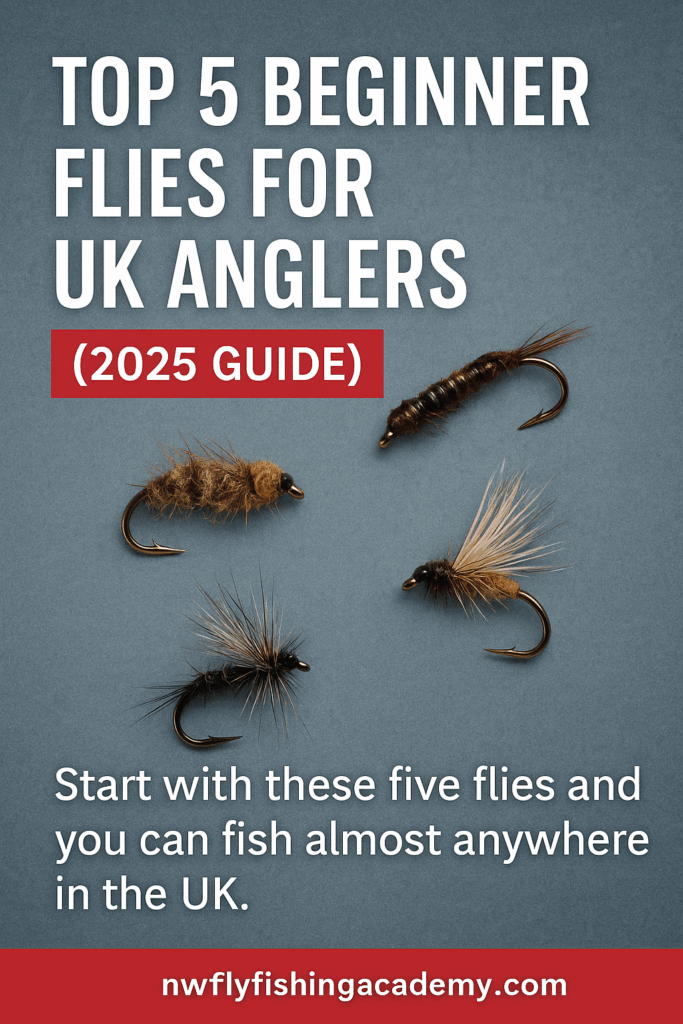
For my money, the Swale is where it gets really interesting. It’s less fished than the Wharfe and has a proper wild feel to it. The river runs fast and clear over gravel beds, perfect habitat for brown trout. Around Reeth and Grinton, there are stretches where you can fish all day without seeing another soul. The fish aren’t huge, but they’re willing and fight well above their weight. A size 14 Gold Ribbed Hare’s Ear will cover most situations, though I always carry a few Pheasant Tail nymphs and small dry flies.
Access is generally good throughout the Dales. Many stretches have free fishing, though you’ll need to check local bylaws and respect landowners. The Yorkshire Dales Rivers Trust does excellent work maintaining access points and protecting spawning grounds. If you’re planning a serious session, a pair of chest waders will let you reach the better lies that bank anglers miss.
Spring and early summer are prime time. The rivers run clear after winter spates, and hatches are reliable. You’ll see fish rising regularly, especially on overcast days. Late summer can be trickier when water levels drop, but early mornings and evenings still produce. Autumn brings the grayling into form, and they’ll take nymphs enthusiastically as they build reserves for winter.
Weather changes fast in the Dales. I’ve fished in t-shirts at breakfast and worn every layer by lunchtime. Always pack waterproofs, even when the forecast looks promising. The upside is that changeable weather often triggers feeding spells. That light drizzle that looks miserable can get fish moving.
Don’t expect tailwater consistency or anything approaching easy fishing. These are rain-fed rivers that can colour up quickly and take days to clear. But when conditions align, there’s nowhere I’d rather be. The combination of wild fish, stunning scenery, and genuine solitude makes the Dales special.
One practical tip for your next session: spend time observing before you cast. Dales trout are easily spooked in the clear water. Watch where fish are holding, note their feeding rhythm, and approach from downstream. A careful stalk and accurate first cast will catch more fish than flogging the water hopefully. Take your time, stay low, and let the river show you where to fish.