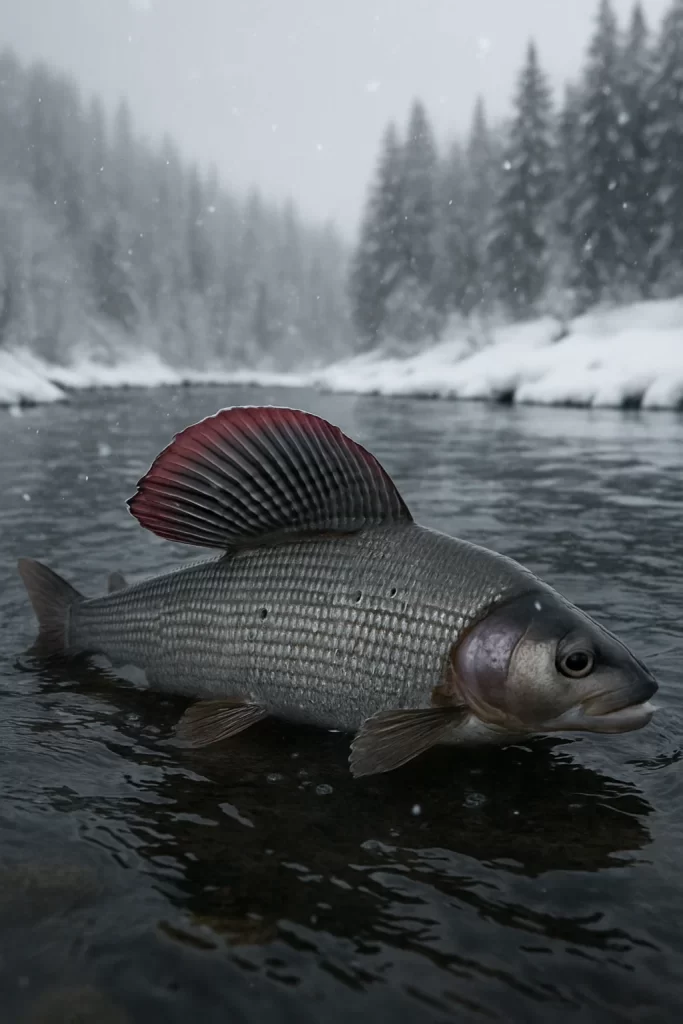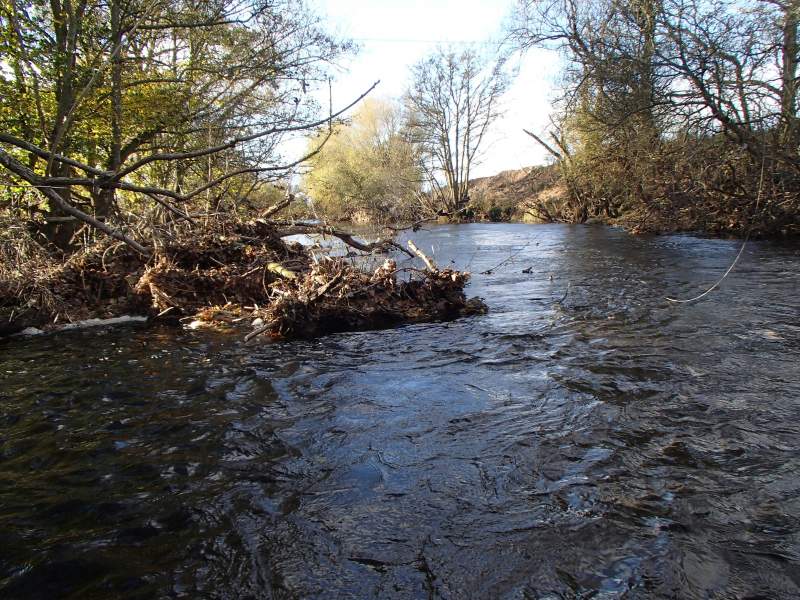
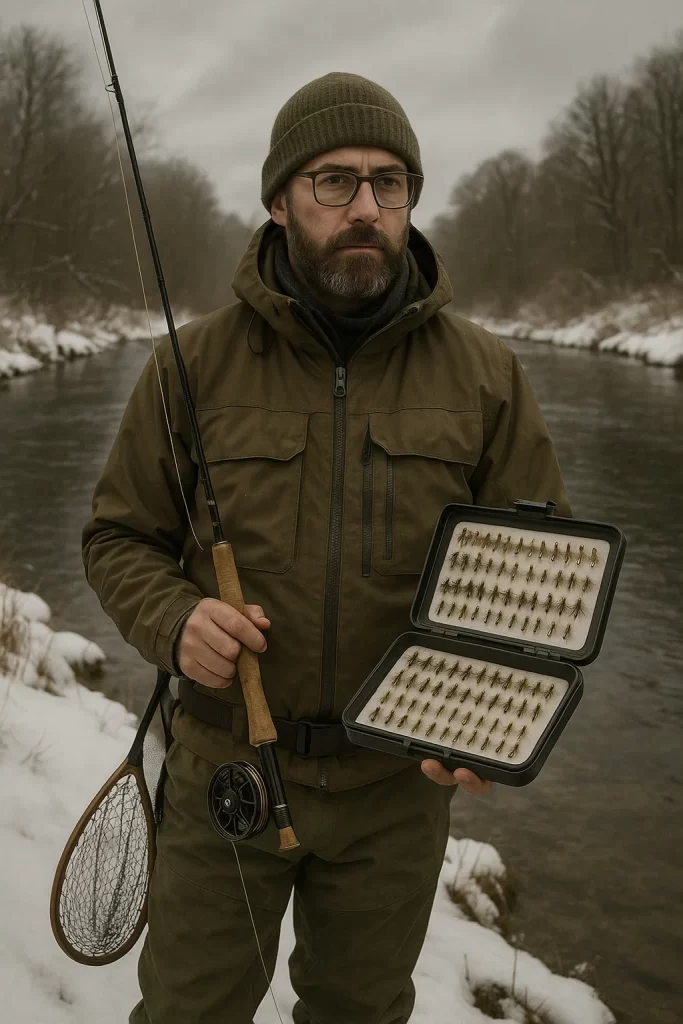
Winter grayling fishing in the UK is one of the most rewarding challenges in fly fishing. The water is cold, the light is low, and fish feed in narrower windows — but when you get your depth and drift right, grayling bite with confidence.
This guide breaks down everything you need to consistently catch grayling all winter long:
depth, fly choice, drift, presentation, location, and gear.
Perfect for both beginners and experienced anglers looking to sharpen technique.
🎯 Why Grayling Are Perfect Winter Targets
Unlike trout, grayling stay active through winter. They continue feeding even when water temperatures drop below 5°C. But they change behaviour:
- They move deeper
- They feed slower
- They prefer more stable currents
- They become much more selective
If you understand these changes, winter fishing becomes not just possible — but incredibly productive.
1️⃣ Find Winter Grayling: Where They Hold
Grayling are all about comfort + food access in winter.
Look for:
✅ Deep glides (3–6 ft)
Slow to moderate flow, smooth surface, and depth = perfect winter holding water.
✅ Back-eddies & soft seams
Fish sit where they can grab drifting nymphs with minimal effort.
✅ Tailouts of pools
Often overlooked — but grayling love these “rest + feed” zones.
❌ Avoid:
- Fast riffles
- Shallow runs
- Hard winter turbulence
These areas simply don’t hold stable winter food.
2️⃣ The Most Important Winter Rule: Fish DEEP
Grayling hug the riverbed in cold water.
If your flies are not tapping the bottom, you’re not in the zone.
🎣 Use this simple rule:
No bottom taps = go heavier
Snagging too often = lighten slightly
Start heavy, then adjust until you feel it ticking along the stones.
3️⃣ Best Winter Fly Patterns (UK Proven)
Here are the patterns that consistently produce winter grayling — with affiliate links already matched to your store:
🪱 1. Pink or Purple Shrimp
Perfect for cold, coloured water.
👉 Try this Soft Hackle Pack:
https://amzn.to/4om4T54
🪱 2. Tungsten Hares Ear Jig
Natural, scruffy, irresistible in clear water.
👉 Waterproof Fly Box for storage:
https://amzn.to/4okVASO
🪱 3. Red Tag (Classic Grayling Fly)
Deadly in almost every UK river.
👉 Your fly combo starter kit:
https://amzn.to/3J6nFyq
🪱 4. Pink Bead Nymphs
High visibility + strong cold-water trigger.
🪱 5. Soft Hackles (Under the Surface Film)
Perfect when grayling rise subtly.
👉 Soft Hackles Box:
https://amzn.to/4om4T54
4️⃣ Best Setups for Winter Grayling
▶️ A. Euro-Nymphing Setup (Most Effective)
- 10–11 ft 2–3wt rod
- Long leader (18–20 ft)
- 2–3 nymphs on a dropper rig
- Tungsten bead on point fly
- Ultra-sensitive sighter
👉 Fly Rod Combo (beginner + intermediate friendly):
https://amzn.to/3J6nFyq
▶️ B. Indicator Nymphing Setup
Perfect for beginners.
- Medium-size yarn or foam indicator
- Two-fly rig
- 5X–6X tippet
- Cast upstream, mend once, let it drift naturally
👉 Thermal gloves for winter control:
https://amzn.to/3KSmVNR
👉 Polarised lenses for spotting seams:
https://amzn.to/495KRr4
5️⃣ Presentation: How to Trigger Winter Takes
🎯 The Drift Is Everything
Grayling are sight feeders, even in winter. They want a dead-natural drift.
Follow this formula:
- Cast short
- Keep your line off the water
- Lead the flies slightly
- Maintain tension
- Let the nymph tick bottom
- If the fly hesitates — STRIKE
Half of grayling takes feel like your flies just paused.
6️⃣ Water Colour: Change Your Flies
Clear Water
- Natural tones
- Hares Ear
- Pheasant Tail
- Soft hackles
Coloured Water
- Pink
- Purple
- Red tags
- Heavier tungsten
7️⃣ Clothing & Winter Gear Checklist
Stay warm, stay sharp, stay safe.
- Merino wool base layer → https://amzn.to/3W40O9E
- Warm socks → https://amzn.to/3W40O9E
- Winter gloves → https://amzn.to/3KSmVNR
- Neck gaiter set → https://amzn.to/4nREXyf
- Waterproof scale for PB grayling → https://amzn.to/3JdIjN1
8️⃣ When’s the Best Time to Fish?
Winter grayling feed at the warmest moment of the day, usually:
- 11am – 2pm on bright days
- 12pm – 3pm on dark overcast days
Avoid first and last light — water is too cold.
Conclusion
Grayling are one of the best cold-weather species in the UK.
If you focus on depth, drift, and correct fly choice, you’ll catch them even on the shortest, darkest winter days.
This guide arms you with everything you need — now it’s time to get on the river.
Tight lines! 🎣❄️