If you’ve never cast a fly line across a Lake District tarn at dawn, with mist rolling off the fells and not another soul for miles, you’re missing out on something special. This corner of Cumbria offers some of the finest wild fly fishing in England, though it’ll make you work for every fish.
The Lake District isn’t like your typical southern chalk stream. The waters here are fed by mountain rainfall, often acidic and low in nutrients. That means fewer insects, which in turn means fewer but wilder fish. The trout and char that do thrive here are proper survivors, cunning and strong from battling the currents and sparse feeding opportunities.
Starting with the big names, Windermere and Ullswater offer decent fishing, but they’re also packed with tourists and motorboats during peak season. You’ll have better sport on the smaller waters. Rydal Water, tucked between Ambleside and Grasmere, holds some gorgeous wild browns. The fishing can be tricky when it’s calm because the fish are incredibly spooky in the clear water, but when there’s a ripple on the surface, you’re in business.
Wastwater deserves special mention as England’s deepest lake, sitting beneath the dramatic Scafell Pike. The arctic char here are the real prize, though they’re notoriously difficult to catch. These ancient fish prefer the deeper, colder water and only come up to the shallows during specific conditions. You’ll want smaller flies, often size 14 or 16, and a sinking line to get down to them. The lake record char weighed over two pounds, which might not sound huge, but these fish are pure muscle.
For those willing to hike, the high tarns offer something truly magical. Stickle Tarn, Levers Water, and Angle Tarn all hold wild browns that rarely see a fly. The walk up will have your legs burning, but fishing a remote tarn with just the ravens for company is what this sport is really about. Pack light though. Carrying a full vest up these fells is a young man’s game, and I learned that lesson the hard way years ago.
The rivers shouldn’t be overlooked either. The Derwent system, particularly where it flows out of Derwentwater, can produce excellent fishing during mayfly time. The Eden, on the eastern edge of the national park, is one of England’s finest fly fishing rivers when conditions align. It holds good populations of wild browns and sea trout, with the occasional salmon pushing through.
Weather in the Lakes changes faster than you can change flies. I’ve had bright sunshine turn to horizontal rain in twenty minutes more times than I can count. Proper waterproofs aren’t optional. Having reliable rain gear makes the difference between a comfortable day and a miserable one. Getting soaked through when you’re miles from the car isn’t fun, trust me.
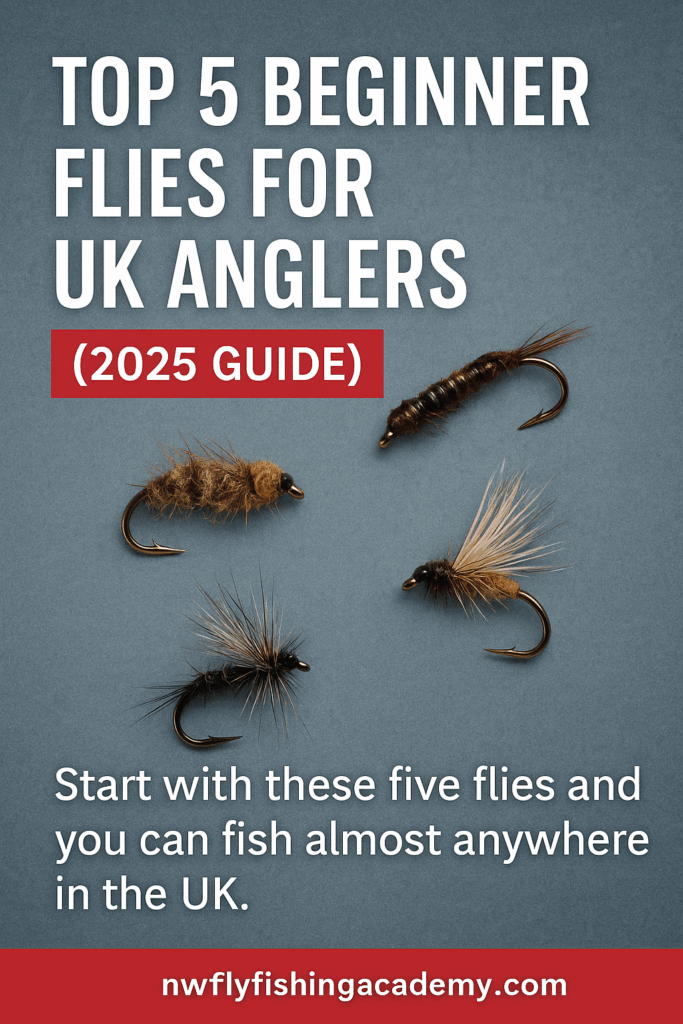
Fly choice matters more here than in richer waters. The fish aren’t stupid, and they see plenty of pressure on the accessible waters. Black Pennell, Soldier Palmer, and Greenwell’s Glory are traditional patterns that still work because they imitate the sparse midge and sedge life these fish feed on. During the summer, terrestrials like black ants or beetles can be deadly when the wind blows them onto the water.
Permission and permits vary widely across the district. Some waters are controlled by hotels, others by angling clubs, and a few require day tickets from local tackle shops. Do your research before you go because getting caught without permission isn’t worth the risk, and frankly, it’s just bad form.
The Lake District won’t hand you easy fish, but that’s precisely why catching them feels so rewarding. These waters shaped generations of northern anglers who understood that hard fishing builds character and appreciation for every fish landed. Get yourself up there before the next bank holiday crowd arrives, put in the effort to reach the quieter spots, and you’ll understand why people keep coming back.
Here’s a practical tip for your next session: if the fishing is slow on the popular lakes, fish the beck mouths where streams enter. These spots hold better oxygen levels and bring down terrestrial food, making them natural feeding stations. The fish stack up there, especially during warmer weather when the main lake becomes lifeless.