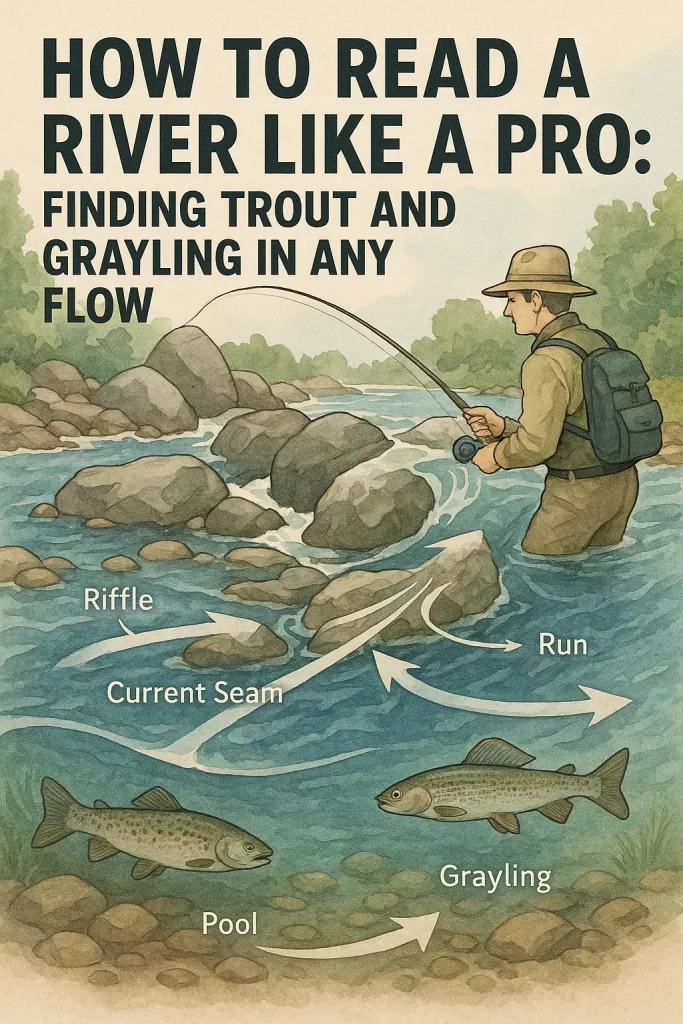
You know that moment when you’ve been flogging a run for an hour, convinced there’s nothing there, and you finally give up? Then some bloke wanders past and pulls a two-pounder from the exact spot you’ve just abandoned. Makes you want to pack it in, doesn’t it?
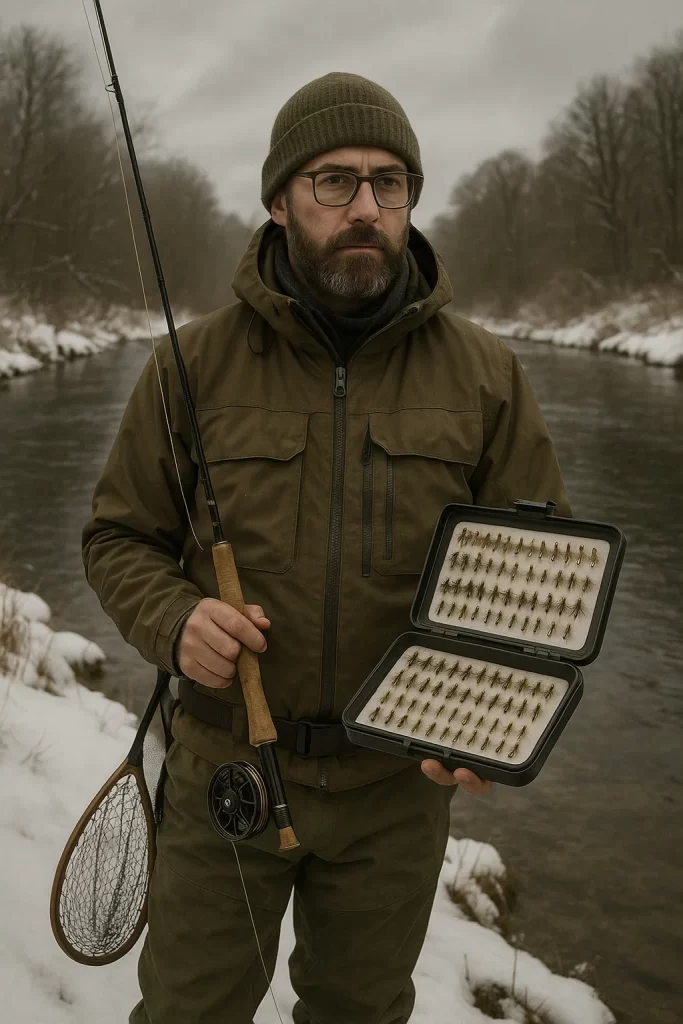
Gear Used in This Article
Here’s the thing. Most of us spend our entire fishing lives guessing. We read the water, we tie on what seems right, we cast where we reckon the fish should be. And we’re wrong more often than we’d like to admit. I certainly am. But over the last couple of years, I’ve become a bit obsessed with underwater footage of rivers, and it’s properly changed how I fish. Not in some magical way, but in a dozen small ways that actually matter.
It started for me on the Derwent one afternoon last spring when everything looked perfect but nothing was moving. Overcast, bit of breeze, decent water level. I was fishing a nymph setup that should have been smashing it. Nothing. Not a pull. Later that evening, I came across some footage someone had posted of that exact stretch during similar conditions, camera just sitting on the riverbed. The trout were there alright, dozens of them. But they were barely moving, stationed tight to the bottom, letting everything drift past about six inches over their heads. My nymphs had been too high. Simple as that.
That’s what this footage does. It removes the guesswork from things you can never normally see. The internet’s flooded with it now. YouTube channels, Instagram reels, even some clever sods on TikTok sticking GoPros in Tupperware containers and dropping them in their local chalk streams. Some of it’s professionally shot, but honestly, the rough stuff is often more useful because it’s typically filmed in normal conditions on normal rivers where normal anglers fish.
The first revelation is just how many fish are actually there. We all know we spook fish, but watching footage of what happens when someone wades through a pool is properly sobering. Before the angler even appears on camera, you’ll see fish moving. They know you’re coming from the vibrations alone. Those heavy feels you sometimes dismiss as rocks or weed? Often fish you’ve just bumped into. The best bit of advice I can give anyone is to watch how fish react to movement in these videos. They don’t always bolt. Sometimes they just shift three feet to the left and carry on feeding. But they’ve clocked you, and that changes everything about how they’ll respond to your fly.
Then there’s the stuff about how fish actually feed. I always thought trout were these aggressive interceptors, darting about snapping up every bit of food. Sometimes they are, particularly in faster water. But in the slower glides and pools, they’re often unbelievably selective and lazy. You’ll watch a fish let twenty identical nymphs drift past, then casually tip up for the twenty-first with no obvious difference you can spot. They’re reading things we can’t see: tiny variations in how something tumbles, the way light catches a thorax, whether something’s drifting at precisely the right depth. It’s maddening and fascinating in equal measure.
The depth thing is massive. Before I started watching this stuff, I assumed fish were spread throughout the water column based on what they were eating. But in most footage of typical UK freestone rivers, they’re lower than you’d think. Even when they’re rising, they’re often sitting deep and only moving up at the last moment. All those times I thought I was fishing a nymph near the bottom? I was probably a foot high. Now I fish heavier flies than I used to, and I’m less afraid of bumping the riverbed occasionally. Better to be too deep than too shallow.
I’ve also learned to trust slower retrieves. Watching how real invertebrates move underwater compared to how we typically fish our imitations is eye-opening. Most of the time, things aren’t zipping about. They’re drifting, tumbling, making tiny movements. That retrieve you think is slow? It’s probably still too fast. Dead drift is magic, and the footage proves it over and over. Fish will follow an active fly and ignore it, then smash the same pattern when it’s barely moving.
TheCamera itself doesn’t need to be fancy. I picked up a basic action camera in a waterproof case for about forty quid, and it’s been brilliant for checking out spots before I fish them properly. I never head out without a decent pair of polarised glasses these days. Worth checking out: polarised glasses
What you start to notice after watching enough of this stuff is patterns in fish behaviour that books just don’t capture. How they relate to structure, not just beside it but often downstream of it in the cushion of slower water. How they face into current but often feed by drifting back. How they absolutely hammer food at certain times but become practically catatonic at others, even during a hatch. It’s all there on camera, playing out in real time, showing you exactly what’s happening while you’re up top getting it wrong.
The other benefit nobody talks about is how it helps you understand what spooking actually looks like. You can see the difference between a properly spooked fish that’s buggered off for an hour and one that’s just shifted position. Some fish barely react to flies landing near them. Others bolt at a shadow. You start to recognize which situations are worth persisting with and which mean you should rest the water.
Related Reading:
So here’s something practical for your next session. Before you start fishing a new spot, spend five minutes just watching the water without a rod in your hand. Don’t look for rises or obvious signs. Look for the tiny flickers of movement, the shadows that shift slightly, the places where the current does something unexpected. Then fish deeper than feels natural, slower than feels comfortable, and give each spot longer than your impatience wants to allow. The fish are there. They’ve always been there.