There’s something brilliantly subversive about targeting carp on the fly rod in rivers. While everyone else is lobbing boilies into stillwaters or working the chalk streams for trout, you’re stalking golden shoulders in clear flowing water with a rod that weighs next to nothing. It’s proper hunting, and it’ll test every bit of watercraft you think you’ve mastered.
The first thing to understand is that river carp behave completely differently to their stillwater cousins. They’re leaner, they’re spookier, and they move around far more. I’ve spent hours watching them in the Kennet and the Thames, and they’re constantly on patrol, working the margins for naturals, rooting around weed beds, and generally acting more like big roach than the lazy puddle pigs we’re used to seeing in estate lakes.
Location matters more than anything else. Look for slower sections where the current eases off, particularly behind weed beds, in side channels, and around overhanging trees. Early morning and late evening are prime time, when the light’s low and the fish feel confident enough to move into shallow water. I’ve had my best sessions in water so thin you’d swear it couldn’t hold anything bigger than a dace.
Your tackle needs to be balanced. A six or seven weight rod gives you enough backbone to handle a decent fish without being too cumbersome for presentation. Leaders need to be long, at least nine feet, and I’ll usually fish 8lb fluorocarbon as a tippet because these fish have incredible eyesight in clear rivers. They’ll refuse anything that looks dodgy, and they can spot your line from further away than you’d believe.
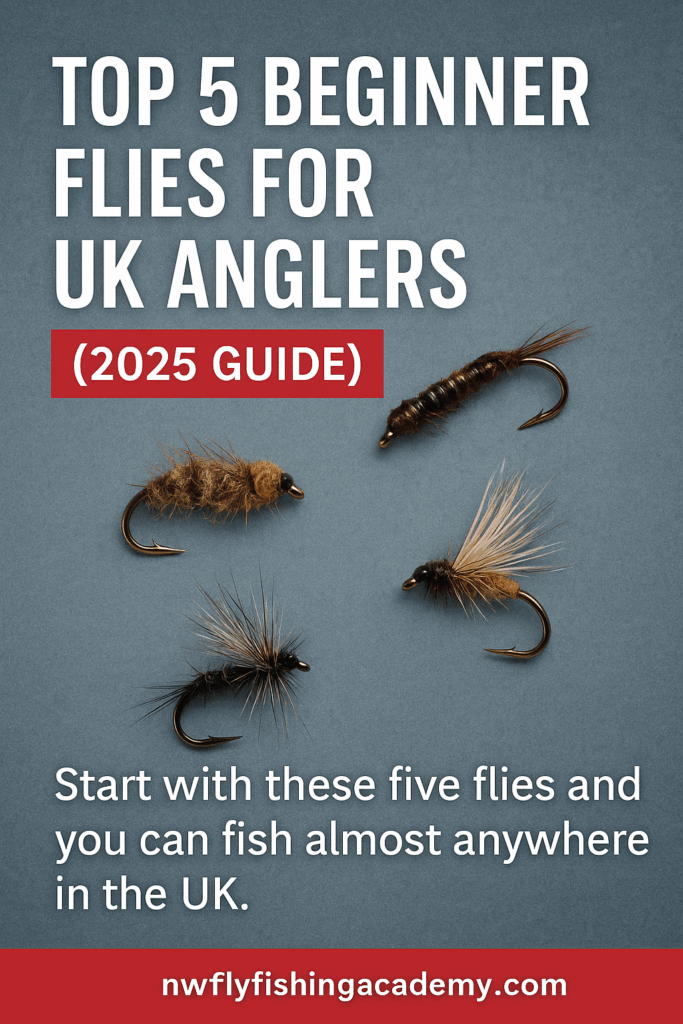
Fly choice depends entirely on what they’re feeding on. Sometimes they’ll happily take a lightly weighted nymph fished dead drift. Other times they want something that looks like a crayfish or a damsel nymph crawling along the bottom. Bread flies work brilliantly when you can see fish actively feeding on the surface, though you need to be patient and wait for the right moment. A good selection of patterns in your box is essential, and something like this waterproof fly box will keep everything organized when you’re switching between setups.
The actual fishing requires serious stealth. River carp are ridiculously aware of their surroundings. Heavy footsteps, shadow on the water, or a poor cast will send them packing instantly. I spend as much time crawling around on my knees as I do actually casting. It feels daft, but it works. Stay low, move slowly, and watch the fish before you do anything. If you can work out where they’re heading rather than where they are, you’re halfway there.
When you do hook one, things get interesting fast. River carp fight with a different intensity than stillwater fish. They use the current, they head straight for snags, and they absolutely do not give up easily. Keep the rod high, let the reel do its job, and be prepared for a proper scrap. My first decent river common took me a hundred yards downstream before I could turn it, and I was shaking like a leaf by the time I slipped the net under it.
The whole experience feels more like saltwater fishing than traditional UK freshwater stuff. You’re sight fishing, you’re moving constantly, and you’re using every bit of skill you’ve got. It’s addictive once you crack it, and there’s none of the crowds you get on popular trout beats.
Next time you’re out, try this: spend the first hour just watching without casting. Note where the fish are moving, what depth they’re feeding at, and how they’re reacting to naturals drifting past. You’ll learn more in that single session than a whole season of blind casting, and your catch rate will improve dramatically once you understand how these river ghosts actually behave.