Right, let’s talk about fly fishing without all the mystique and nonsense that usually surrounds it. If you’ve been thinking about having a go but feel a bit intimidated by the tweed-wearing types on the River Test or the Instagram heroes chucking perfect loops in crystal-clear chalk streams, I get it. But here’s the thing: fly fishing isn’t half as complicated as people make out, and you don’t need a trust fund to get started.
I remember my first attempt on a small Derbyshire stream. I’d borrowed a mate’s rod, watched a couple of YouTube videos, and promptly spent most of the morning untangling knots that would’ve made a sailor weep. The fish weren’t exactly queuing up to be caught either. But by the afternoon, something clicked. I managed a few casts that didn’t look like I was having a seizure, and eventually landed a small brown trout that fought like it was twice its size. I was absolutely buzzing. That fish probably weighed six ounces on a good day, but it might as well have been a salmon.
The beauty of fly fishing in the UK is that we’ve got incredible variety on our doorstep. You can fish for trout in tiny Yorkshire becks, chase grayling on the upper Wye, or even go after pike with big streamers on stillwaters. Unlike our American cousins who might drive six hours to reach decent water, most of us are within an hour of somewhere proper.
Let’s talk gear because this is where people either spend a fortune or give up before they start. You don’t need the latest carbon fibre wonder-rod that costs more than a used car. For most UK river fishing, a nine-foot rod rated for a 5-weight line is your starting point. It’ll handle everything from small wild browns to decent-sized rainbows on stillwaters. You can pick up perfectly good starter outfits that include the rod, reel, and line for under a hundred quid. I’ve seen beginners with expensive kit struggle while someone with basic gear catches fish after fish because they’ve spent time learning rather than shopping.
Your reel matters less than you think at this stage. It’s basically just somewhere to store your line. Make sure it balances with your rod and has a decent drag system, but don’t obsess over it. The line, though, that’s important. Get a weight-forward floating line that matches your rod. This is where beginners often go wrong, trying to save money on the line and ending up with something that casts like a wet noodle.
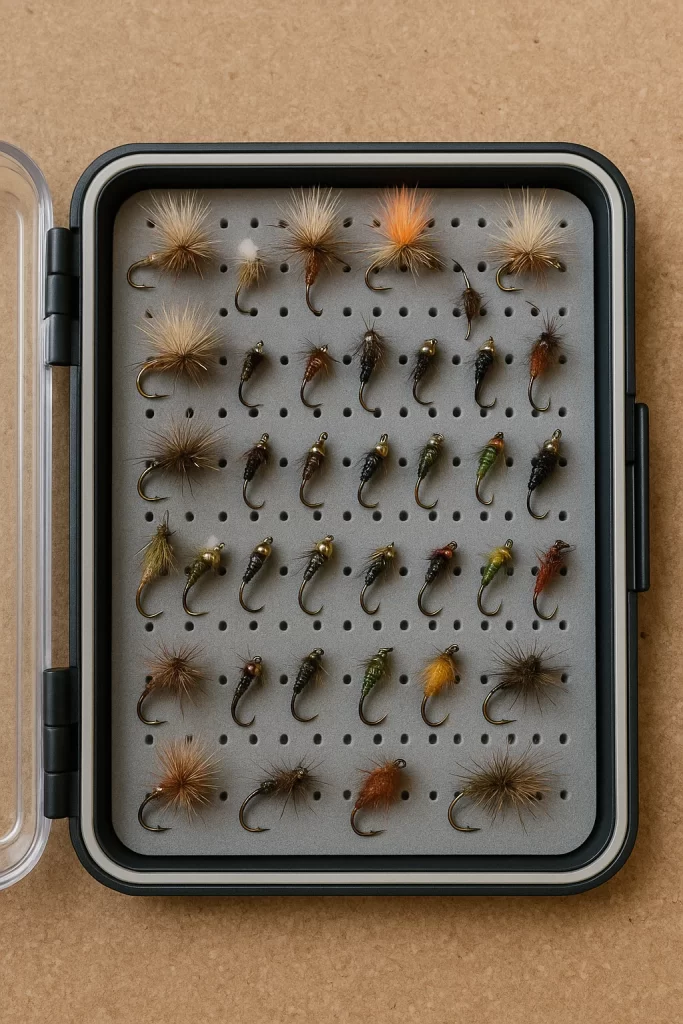
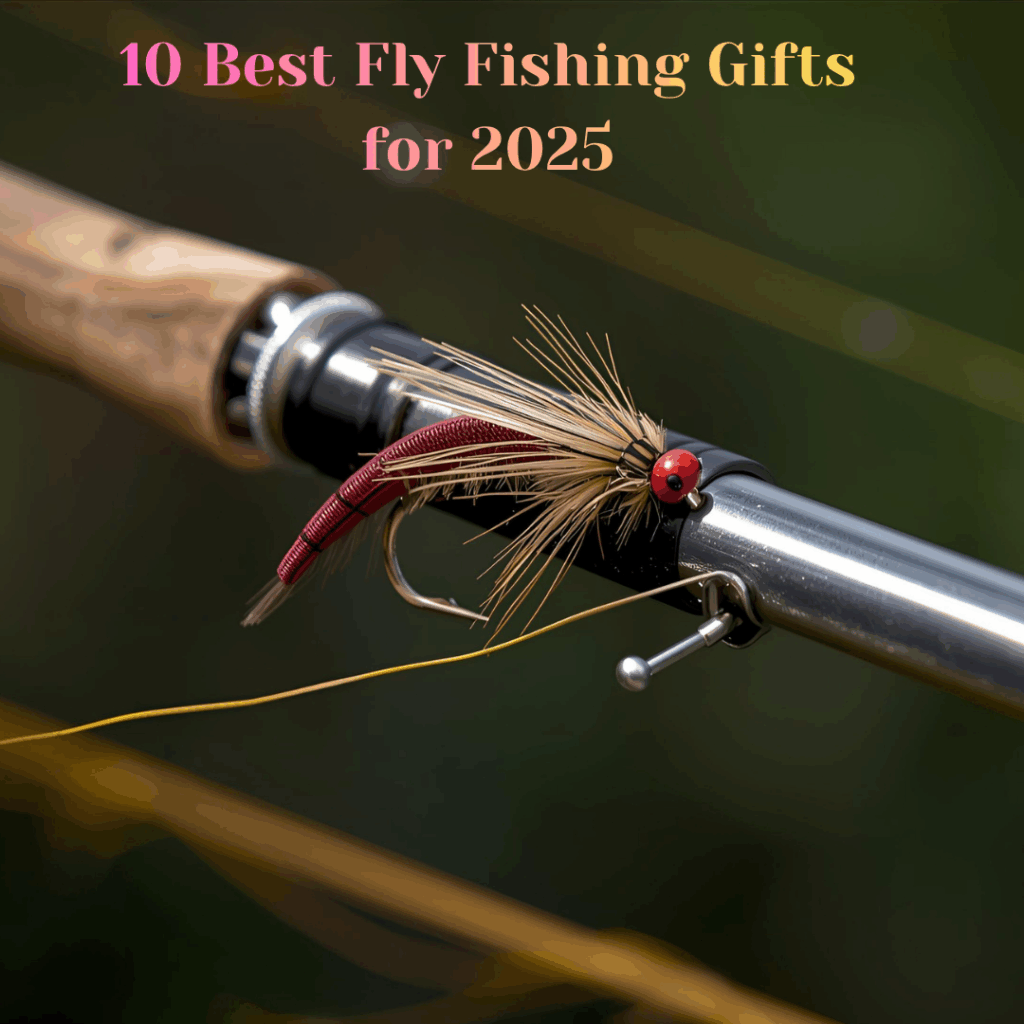
Now, flies. Walk into any tackle shop and you’ll see thousands of patterns, all claiming to be essential. Ignore most of it. Start with a dozen flies: some Gold Head Hare’s Ears, a few Pheasant Tail Nymphs, maybe some CDC dry flies for when you see fish rising, and perhaps a Woolly Bugger or two for when nothing else works. That lot will cover you for most situations on UK rivers. I still catch fish on the same patterns I used twenty years ago. Fashion changes in flies, but trout remain delightfully predictable.
Learning to cast properly is where you should invest your time. Book a lesson with a qualified instructor, even just an hour or two. You can learn from videos, sure, but bad habits creep in fast and they’re murder to fix later. A good instructor will have you casting competently in one session. The basic overhead cast isn’t difficult once someone shows you the timing and the stopping point. It’s all about the pause, letting the line straighten behind you before bringing it forward. Rush it, and you’ll hear that dreaded crack as your fly breaks off.
Reading the water is the next skill, and it’s something you only really learn by spending time riverside. Trout are lazy and clever. They want food brought to them while expending minimum energy, and they want cover from predators. Look for places where fast water meets slow, where the current brings food but there’s a spot to rest. Behind rocks, along the seams where different speeds meet, undercut banks, anywhere with a bit of depth and structure. You’ll walk past a hundred spots before you develop the eye for it, but gradually you’ll start seeing the river differently.
Start nymphing. I know dry fly fishing looks more romantic, and there’s nothing quite like seeing a trout smash your fly off the surface, but nymphing catches more fish. Most of a trout’s feeding happens below the surface, hoovering up nymphs and larvae. A simple two-fly nymph rig with a small indicator will teach you more about trout behaviour in a month than a year of dry fly fishing. Once you understand how they feed subsurface, your dry fly fishing improves anyway because you know where the fish are holding.
If you’re comparing beginner outfits, check exactly what is included. Some listings are for a rod only, while others add a reel, backing, fly line, leader or accessories. Compare the full specification, line rating, retailer terms and available support before buying.
Weather matters more than you think. Overcast days with a bit of ripple on stillwaters are often brilliant. Bright, sunny days can be tough unless you’re fishing early or late. After rain when the river’s carrying a bit of colour, that’s prime time. Trout feel safer and feed more confidently. Learn to love drizzly days because that’s often when you’ll have the river to yourself and the fish are up for it.
The real secret to fly fishing, if there is one, is just getting out there and doing it. You’ll cock up your casts, lose flies in trees, slip on rocks, and go fishless more often than you’d like. We all do. But then you’ll have a session where everything comes together, and you’ll understand why people get obsessed with this daft sport.
Related Reading:
Here’s a practical tip for your next session: before you make your first cast, watch the water for ten minutes. Literally just sit and observe. Look for rises, see where the current flows, watch for any insect activity. Those ten minutes will tell you more about where and how to fish than an hour of blind casting.