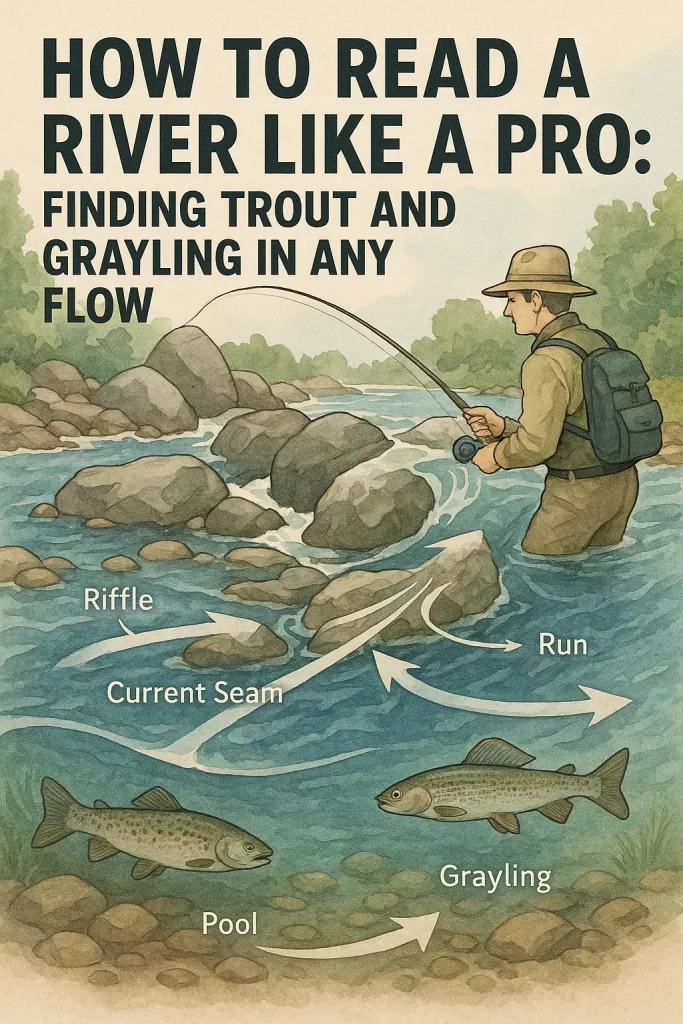
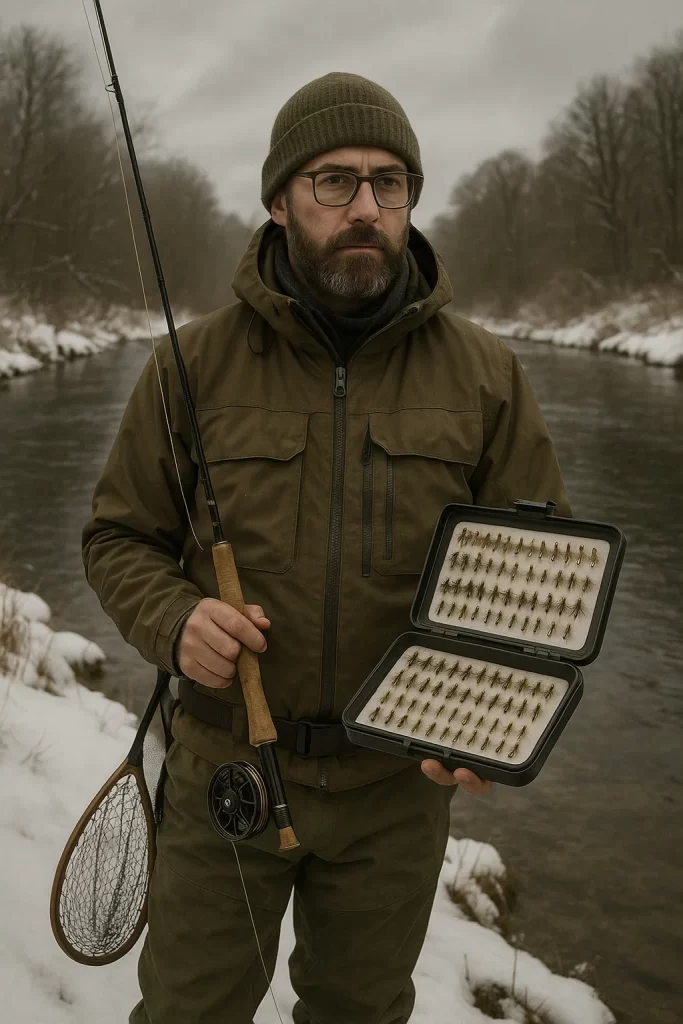
You know that moment when you’re standing in the river, watching trout rise all around you, and they’re ignoring every single thing you cast at them? Yeah, we’ve all been there. Understanding how trout actually respond to different fly patterns isn’t just about matching the hatch. It’s about reading what they’re doing right now, in this specific moment, and adjusting accordingly.
Trout are clever little sods, but they’re also creatures of opportunity. Their reaction to your fly depends on so many variables that it can drive you mad if you think about it too much. Water temperature, light levels, food availability, fishing pressure. But mostly, it comes down to whether they’re in feeding mode or just holding station, conserving energy.
When you’re fishing dry flies, you’ll notice trout respond in wildly different ways depending on the time of day and what’s hatching. During a proper hatch, they get into a rhythm. Head up, sip, down. Head up, sip, down. They’re locked onto a very specific food item, and if your fly doesn’t match size, colour, and behaviour, they’ll flat out refuse it. I learned this the hard way on the Wye last April when I was convinced they wanted my size 14 Adams. Threw it over rising fish for an hour before I finally accepted they were taking something much smaller, switched to an 18, and suddenly I was in business.
The aggressive takes you dream about? Those usually come when trout aren’t being selective. Early season, when they’re hungry after spawning. Or during terrestrial season in summer when beetles and ants are tumbling into the water. Chuck a decent hopper pattern near the bank and sometimes they’ll absolutely smash it. No hesitation, just pure aggression. That’s when fly fishing feels easy.
Nymphs are a completely different story. You rarely see the take with nymphs unless you’re watching your leader like a hawk or you’ve got a strike indicator. Trout will often just open their mouths as your fly drifts past, then close them a second later. Sometimes they’ll move six inches to intercept it. Other times they won’t budge an inch, expecting the current to bring food directly to them. The lighter the fishing pressure, the more confident they are. On heavily fished waters, they’ve learned to be suspicious. They’ll follow your nymph downstream, inspecting it, then turn away at the last second.
Streamer fishing shows you a completely different side of trout behaviour. Strip a streamer through a pool and you might get follows. Lots of follows. Trout will track your fly right to your feet sometimes without committing. They’re curious but cautious. Change your retrieve speed and suddenly one will hit. It’s not always about stripping fast either. Sometimes a dead drift with occasional twitches absolutely murders them. Other days they want it moving like a terrified minnow.
Colour matters more than most anglers admit. In coloured water after rain, bright flies with a bit of flash get noticed. UV materials can be brilliant in these conditions. Clear water on bright days? You want natural colours, subtle patterns, smaller sizes. I’ve watched trout completely ignore a size 12 Gold Ribbed Hare’s Ear then take a size 16 Pheasant Tail on the very next cast. Same drift, same depth, different fly.
Temperature affects everything. When it’s cold, under eight degrees or so, trout are lethargic. They’ll still eat but they won’t move far. Your fly needs to drift right past their nose, and even then the take will be gentle. You’ll miss fish if you’re not paying attention. As the water warms into the teens, they become much more active. They’ll move further to intercept food and take more aggressively.
Presentation often matters more than pattern. You can have the perfect fly but if it’s dragging across the current, or your leader is landing in a heap, or you’re casting shadows over the fish, they’ll spook or refuse. Trout in gin clear chalkstreams are particularly fussy about this. They’ve got all day to inspect your offering. One thing that’s really helped me is carrying a range of leader lengths and tippet sizes so I can adjust on the water. Having a good selection of tippet material makes a massive difference to how naturally your fly behaves. Worth checking out: https://amzn.to/495KRr4
I’ve also noticed that trout respond differently throughout the day. Morning risers are often confident feeders, less spooky. By afternoon when the sun’s high and bright, they’re much more cautious. Evening rises can be frantic, with trout throwing caution aside during a heavy hatch. But then you’ll also get those maddening evenings where they’re sipping steadily and refusing everything you show them.
Fishing pressure changes behaviour massively. The trout in your local club water that see flies every weekend? They’ve earned a degree in fly recognition. They’ve been caught before, maybe several times. They’ve learned. Wild fish in remote streams are often much easier to fool because they haven’t developed that wariness. But even wild fish can be selective if there’s abundant natural food.
One thing that’s taken me years to properly understand is that refusal rises are actually useful information. When a trout comes up to your fly and turns away at the last second, that’s not failure. That’s a fish telling you you’re close but not quite right. Maybe your fly is slightly too big, or the wrong colour, or your tippet is too heavy. Adjust one thing and try again. They’re still interested.
The best anglers I know are constantly watching and adjusting. They’re not stubborn about fly choice. If something isn’t working after a dozen casts, they change. Size first, then pattern, then presentation. Sometimes you need to go completely against what seems logical. During a mayfly hatch, occasionally a small nymph will outfish the obvious dun pattern because trout are gorged on adults and want something different.
Related Reading:
Here’s something practical for your next session. Before you even tie on a fly, spend five minutes just watching. Look at the water, check for rises, turn over a few rocks to see what’s living there. Watch how the current moves. This observation time will tell you more than any fly box ever could. Then match your fly choice to what you’ve actually seen, not what you think should be working.